As an Amazon Associate, we earn from qualifying purchases. Some links on this site are affiliate links at no extra cost to you. Our recommendations are based on thorough research and editorial judgment.

What Is 2 35 1 Screen Ratio?

The 2.35:1 screen ratio, often called Cinemascope, creates an expansive viewing experience, being 2.35 times wider than it is tall. Introduced in the 1950s, this format enhances storytelling, especially in epic films. You’ll often find it in major theatrical releases, and it’s supported by resolutions like 1080p and 4K UHD. For home theater setups, screen placement and seating distance are key factors. There’s much more to explore about its production techniques and future trends.
Key Takeaways
- The 2.35:1 screen ratio, also known as Cinemascope, creates images 2.35 times wider than tall for cinematic storytelling.
- This aspect ratio was introduced in the 1950s to enhance film visual engagement against growing television popularity.
- Common resolutions for 2.35:1 include 720p, 1080p, 2K, and 4K UHD, ensuring visual clarity and detail.
- Optimal home theater setups for 2.35:1 require specific screen placements and projector compatibility for enhanced viewing experience.
- Advancements in technology are improving 2.35:1 content compatibility across devices, enhancing immersive storytelling for audiences.
Definition of 2.35:1 Screen Ratio
The 2.35:1 screen ratio, a popular choice in the film industry, represents an important aspect of visual storytelling. This widescreen format, often called Cinemascope, creates images that are 2.35 times wider than they are tall. It offers numerous widescreen advantages, enhancing cinematic storytelling through visual immersion.
- Film Aesthetics: Ideal for epic landscapes and action sequences.
- Projection Techniques: Compatible with anamorphic lenses for an authentic widescreen effect.
- Image Integrity: Maintains quality across various digital resolutions.
When we explore ratio comparisons, we see how this format differs considerably from standard 16:9 HDTV. As viewers, we appreciate the immersive experiences that the 2.35:1 ratio brings to the big screen, making our movie watching more engaging. Additionally, many modern projectors, such as the Epson Home Cinema LS11000, are designed to support various aspect ratios, ensuring optimal viewing experiences for different content types.
Historical Origins and Development

Widescreen cinema has a rich history that reflects the evolution of filmmaking techniques and audience preferences. In the 1950s, to combat television’s popularity, studios sought widescreen innovations. Starting with CinemaScope‘s introduction in 1953, the ultra-wide 2.55:1 aspect ratio captivated viewers. However, as sound integration became essential, the ratio shifted to 2.35:1—a pivotal historical milestone.
This format change marked a balance between image width and audio quality. Throughout the ’60s, 2.35:1 became the industry standard, showcasing epic film artistry. Technological advancements allowed theaters to adapt their equipment, enhancing audience engagement. As competition among studios flourished, 2.35:1 emerged as a key player in the cinematic evolution, solidifying its place in film history. The introduction of advanced pixel-shifting technology further enhanced the viewing experience, allowing for sharper and more immersive images.
Technical Resolutions for 2.35:1 Format
Understanding technical resolutions for the 2.35:1 format is vital for anyone involved in film production or digital media. Here are key resolution standards to keep in mind:
- 720p: 1280 x 545 pixels
- 1080p (Full HD): 1920 x 817 pixels
- 2K digital cinema: 2048 x 871 pixels
- 4K UHD: 3840 x 1634 pixels
- 5K: 5120 x 2179 pixels
- 8K UHD: 7680 x 3268 pixels
We should also consider cropping methods and sensor capabilities, especially with anamorphic lenses. Proper encoding practices and compression algorithms help maintain pixel density without degradation. Display compliance is essential to guarantee widescreen benefits are realized. Remember, aligning our production techniques with these specifications enhances viewing preferences, delivering that immersive cinematic experience everyone loves. Additionally, selecting a high-quality projector screen can significantly improve the overall image quality of your viewing setup.
Current Usage in Theatrical Releases

How does the 2.35:1 screen ratio shape our experience in theatrical releases? This aspect ratio creates a visually immersive experience, which we all appreciate in epic films. It’s popular among filmmakers for effectively showcasing grand landscapes and dynamic compositions, enhancing visual storytelling.
Theatrical trends favor this ratio, stemming from cinematic innovations like CinemaScope. Most major releases today, be it in 35mm or digital formats, maintain this standard due to its projection technology being cost-efficient and simpler than older formats.
Using 2.35:1 enhances audience engagement, allowing us to feel the depth and scale intended by filmmakers. As we enjoy blockbusters, we connect through these wider frames, feeling part of the cinematic journey that unfolds on the silver screen. Additionally, the use of mounting options and flexibility in home setups allows viewers to replicate this cinematic experience with their own televisions.
Home Theater Setup Considerations
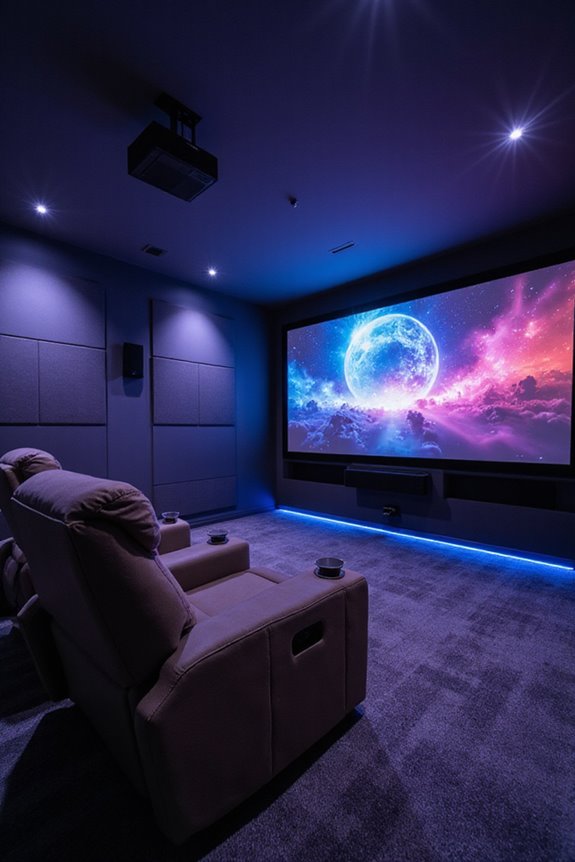
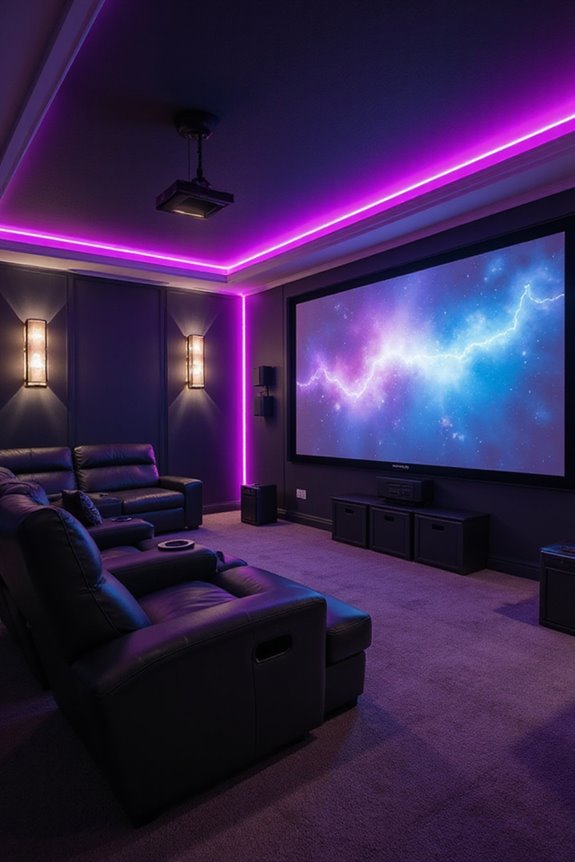
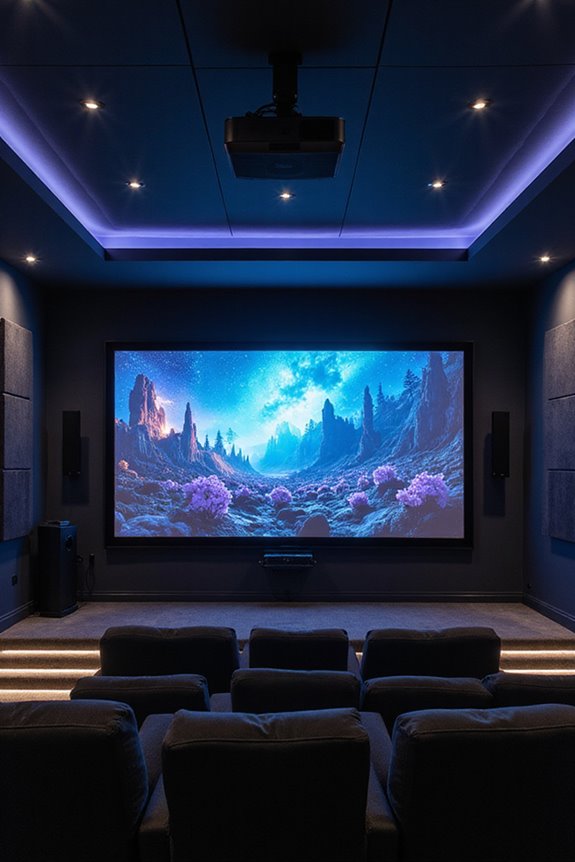
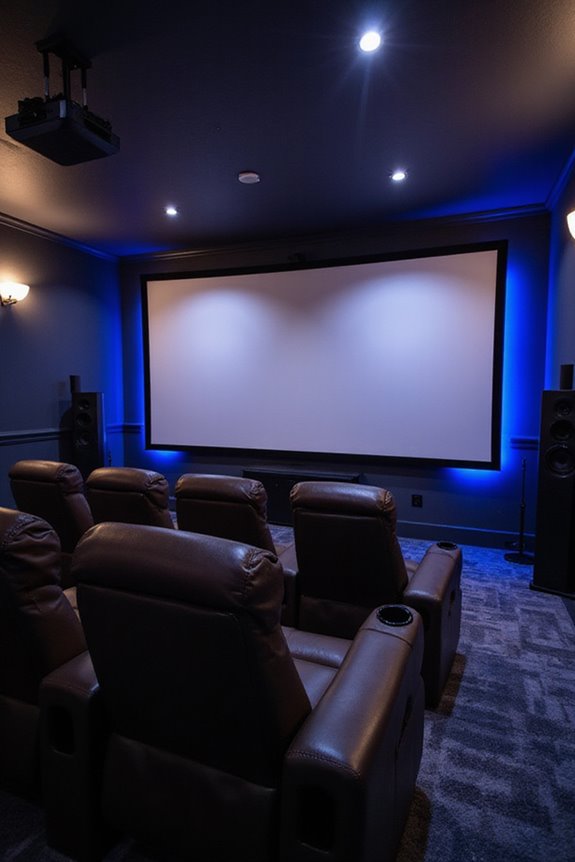
When setting up a home theater with a 2.35:1 aspect ratio screen, it’s important to take into account various factors that will influence your viewing experience.
Key Considerations:
- Screen Placement: Make sure the width accommodates the wider screen.
- Seating Arrangement: Position seats 1.5 to 2.5 times the screen’s width for optimum viewing.
- Projector Selection: Choose projectors compatible with 2.35:1 format, considering options like anamorphic lenses for image clarity.
- Room Acoustics: Manage reflective surfaces to enhance sound quality.
- Lighting Control: Use effective strategies for lighting to improve image contrast.
- Screen Materials: Select from ALR or matte surfaces based on ambient light.
- Design Aesthetics: Confirm equipment compatibility to create a cohesive look, enhancing the immersive experience.
- Receiver Features: Ensure your home theater receiver supports advanced audio formats to maximize your cinematic experience.
The Impact of Aspect Ratio on Viewing Experience
The impact of aspect ratio on your viewing experience is significant, especially with formats like 2.35:1. This widescreen ratio enhances emotional engagement and visual storytelling, creating a sense of cinematic immersion that pulls you into the film. You might notice how viewer perception shifts, as the wider frame emphasizes spatial relationships, making scenes feel grander and more dynamic.
Key benefits include:
- Genre Influence: It’s often used for epic films, enhancing narrative complexity.
- Artistic Expression: The widescreen format supports creative use of color and light.
- Screen Dynamics: It encourages your eye to scan and explore the scene, reinforcing action.
Comparison With Other Aspect Ratios
In considering the differences between aspect ratios, it’s important to evaluate how 2.35:1 compares to other formats commonly used in cinema and television. This ratio, known for its cinematic depth, contrasts with narrower formats like 16:9 or 4:3.
Key comparisons include:
- 2.39:1 and 2.40:1: These modern anamorphic standards slightly widen the view, enriching visual storytelling.
- 1.85:1: This common ratio balances width and traditional framing, often seen in various genres.
- Television Formats: While 16:9 is prevalent for HD content, it can’t replicate the panoramic effect of 2.35:1, leading to letterboxing on screens.
As viewing preferences evolve, production techniques and distribution methods also adapt to these cinematic trends, influencing audience engagement and cultural dynamics.
Importance for Filmmaking and Composition
Utilizing a 2.35:1 screen ratio can greatly enhance filmmaking and composition, offering a range of advantages that elevate the visual narrative. This widescreen aesthetic allows us to capture expansive landscapes and multi-character scenes without feeling cramped. Here’s why it matters:
- Cinematic Tension: The wider frame intensifies mood and creates dynamic compositions.
- Immersion Enhancement: It mimics human peripheral vision, engaging viewers more deeply.
- Character Isolation: We can highlight themes of loneliness amidst wider settings.
- Creative Flexibility: This ratio supports various storytelling techniques across genres.
With technical advancements, filmmakers can utilize anamorphic lenses for stunning visual clarity. Overall, a 2.35:1 aspect ratio fosters a richer viewing experience and meets audience expectations for cinematic quality.
Common Misunderstandings About 2.35:1
Understanding the intricacies of the 2.35:1 aspect ratio often comes with its fair share of misconceptions. Let’s clarify a few common misunderstandings:
- Numerical Value: The ratio is often cited as 2.35:1, but the industry standard has actually been 2.39:1 since the 1970s, leading to historical confusion.
- Resolution vs. Aspect Ratio: Many think aspect ratios dictate resolution. In reality, aspect ratios only define shape—resolution concerns pixel counts.
- Black Bars: You may notice letterboxing when viewing 2.35:1 on a 16:9 screen. This isn’t a flaw, but a necessary technique for maintaining creative framing.
- Anamorphic Formats: Not all 2.35:1 content uses anamorphic techniques; some are simply cropped from standard formats.
Awareness of these details enhances audience perception and understanding of cinematic trends.
Content Production in Cinemascope Format
While creating content in the Cinemascope format, filmmakers leverage the unique characteristics of the 2.35:1 aspect ratio to deliver visually stunning narratives. We utilize Cinemascope techniques, such as anamorphic lenses, to enhance widescreen storytelling.
Key aspects of production include:
- Cinematic framing: Achieving remarkable visual composition requires careful attention.
- Color grading: This guarantees that the vibrant visuals resonate with audiences.
- Film editing: Adjustments during post-production often involve precise image cropping for proper aspect ratio delivery.
- Digital rendering: Supports high-quality formats, optimizing playback.
- Soundtrack placement: Critical for enhancing the viewer’s experience.
With modern projection technologies, we create immersive content that captivates audiences, guaranteeing that every frame is a part of the story.
Compatibility Challenges With Devices
Creating visually compelling content using the 2.35:1 aspect ratio certainly enhances storytelling, but it also brings certain compatibility challenges with various devices.
For instance, many media players default to a 16:9 display, leading to black bars that affect user experience. This results in playback issues, especially when using less compatible encoding standards like AV1.
Screen utilization becomes a concern, too, as most devices fail to support dynamic adjustments for cinematic formats.
Additionally, hardware limitations and outdated firmware often restrict aspect ratio handling. You might notice that smartphones and tablets commonly display 2.35:1 content with letterboxing or cropping.
Ultimately, adapting to adaptive scaling options is essential for maintaining visual fidelity across different viewing platforms.
Aesthetic Appeal of the Widescreen Format
Here are some key points about the aesthetic benefits of 2.35:1:
- Visual Balance and Composition Techniques: The widescreen format enhances framing possibilities, allowing for expansive landscapes and dramatic horizontal compositions.
- Cinematic Depth and Spatial Dynamics: 2.35:1 provides a unique depth perception, enriching scenes with greater spatial relationships, creating an immersive experience in storytelling.
- Narrative Impact and Emotional Engagement: This ratio elevates the emotional resonance of a story, engaging the audience and enhancing their perception of the film’s significance.
- Aesthetic Richness: The wide frame accommodates intricate details, enriching visual texture and enhancing the overall aesthetic appeal.
We become part of something grand, experiencing films that feel authentic and impactful. Together, we appreciate the beauty this format brings to visual storytelling.
Future of 2.35:1 in Media Production
As technology continues to evolve, the future of the 2.35:1 aspect ratio in media production looks promising. Future innovations in digital camera sensors allow for native 2.35:1 capture, while emerging display technologies, like ultrawide OLED screens, enhance viewer experiences. We see content adaptability increasing on streaming platforms, preserving cinematic quality at home.
Filmmaker insights reveal a shift towards creative experimentation, with variable aspect ratios that intrigue audiences. Market demand for immersive visual storytelling will likely propel studios to embrace 2.35:1 for large-scale productions.
Key points include:
- Enhanced audience engagement through technology integration
- Maintaining a classic widescreen feel
- Adapting to diverse viewing devices and expectations
The potential for 2.35:1 is exciting as we move forward together in the media landscape.
Frequently Asked Questions
How Do I Calculate the Dimensions for a 2.35:1 Screen?
To calculate screen dimensions, let’s divide the width by 2.35 for height or multiply height by 2.35 for width. These aspect calculations guarantee we get the perfect fit for our cinematic experience together!
Can 2.35:1 Content Be Viewed on Standard 16:9 TVS?
Absolutely, we can enjoy 2.35:1 content on standard 16:9 TVs! Yet, we face letterboxing techniques and resolution challenges, reminding us of the cinematic beauty that’s captured beautifully, despite the black bars above and below.
What Movies Are Best Experienced in 2.35:1 Format?
When we plunge into cinematic masterpieces, films like *Ben-Hur* and *Interstellar* shine in the 2.35:1 format. Their visual storytelling captivates us, wrapping us in expansive worlds and enhancing every breathtaking moment we share together.
Are There Specific Projectors for 2.35:1 Films?
Sure, if we’re dreaming of dedicated 2.35:1 projectors, we might want to pinch ourselves! Currently, we rely on features from 16:9 projectors and compatible lenses to enhance our movie compatibility experience together.
How Does 2.35:1 Affect Video Game Graphics?
The 2.35:1 aspect ratio enhances our visual immersion in games, providing a broader field of view. It allows us to experience cinematic storytelling and expansive environments, making our gameplay feel more engaging and immersive together.