As an Amazon Associate, we earn from qualifying purchases. Some links on this site are affiliate links at no extra cost to you. Our recommendations are based on thorough research and editorial judgment.


How To Maintain Leather Recliners?

To maintain your leather recliners, we should follow a simple routine. Regularly clean them with a vacuum and microfiber cloth, focusing on seams and crevices. For deeper cleaning, use a mild soap solution and a damp cloth. Condition the leather every 6 to 12 months with a quality product to prevent cracks. Also, protect from direct sunlight and manage room humidity. By doing this, we guarantee the durability and beauty of our recliners for years to come. Learn more about specific care techniques and tips.
Key Takeaways
- Clean weekly using a vacuum with a soft brush attachment and a microfiber cloth to maintain leather’s appearance.
- Apply leather conditioner every 6 to 12 months to keep the material soft and prevent cracking.
- Protect recliners from direct sunlight and maintain humidity between 40-55% to avoid fading and brittleness.
- Regularly check and tighten hardware, applying silicone-based lubricants to ensure smooth movement of mechanical parts.
- Dust surfaces often and use leather protectants to shield against stains and moisture-related damage.
Routine Cleaning
When we maintain leather recliners, regular routine cleaning is essential to preserve their beauty and longevity. We recommend using simple routine tools like a vacuum cleaner with a soft brush attachment and a soft, dry microfiber cloth. When cleaning frequency is weekly, it helps remove loose dirt and dust, especially from seams and armrests.
For deeper cleaning, prepare a mild soap solution with gentle soap and warm water. Dampen a cloth, using it to gently wipe the recliner in circular motions. Always rinse the cloth afterward to avoid residue buildup. Finally, air dry naturally—keeping it away from direct sunlight guarantees the leather maintains its soft, supple look. Following these steps makes routine cleaning efficient and effective. Additionally, maintaining leather furniture can be enhanced by using high-quality cleaners specifically designed for leather care.
Deep Cleaning and Professional Care
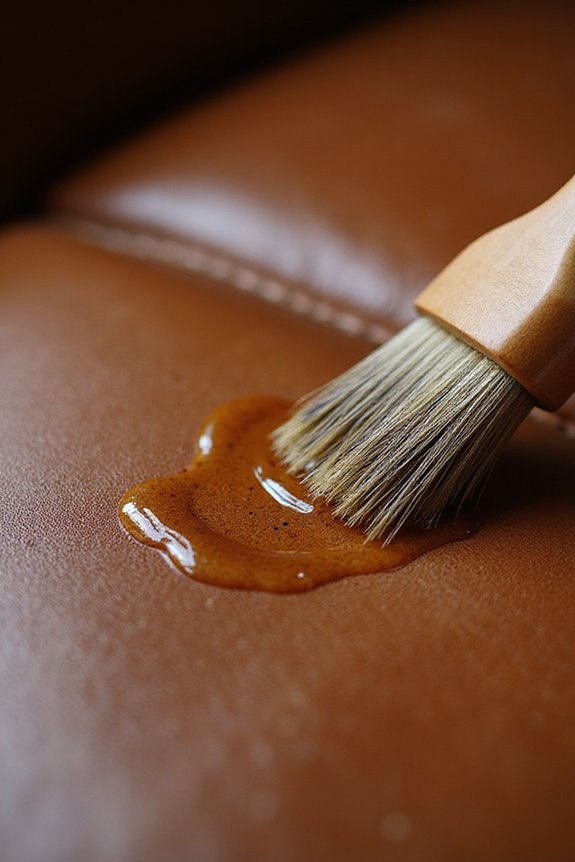
Routine cleaning is a foundational step in caring for leather recliners, but deep cleaning and professional care are often needed to guarantee their longevity and maintain their appearance. Here’re some deep cleaning techniques we can use to enhance leather care:
- Inspection: Identify the leather type and check seams for damage.
- Vacuum: Gently remove dust before applying cleaners.
- Cleaning Agents: Use low alkaline (near neutral pH) leather cleaners with soft brushes.
- Stain Response: Blot spills immediately, and avoid water on grease stains.
- Professional Help: For stubborn marks, consult experts to prevent damage. Additionally, consider using high-quality cleaning agents that are specifically designed for leather maintenance to ensure optimal care.
Conditioning and Moisturizing
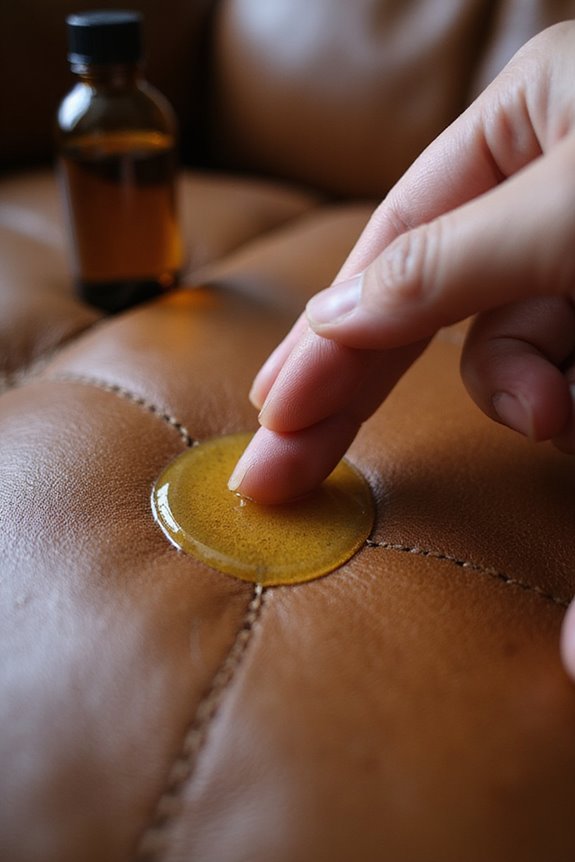
To maintain the longevity and appearance of leather recliners, conditioning and moisturizing are crucial practices. We should apply a leather conditioner every 6 to 12 months, depending on usage and environmental conditions. In dry climates, every 3 months might be necessary. It’s important to use a conditioner that matches our leather type and avoid oil-based options.
Key Steps for Conditioner Application:
- Use soft, lint-free cloths to apply in circular motions.
- Test new products on an inconspicuous area first.
- Applying conditioner after cleaning guarantees ideal moisture retention.
Regular conditioning helps preserve softness, reduces cracks, and enhances durability. This practice not only maintains our recliners but also guarantees they remain inviting spaces for us to enjoy. Additionally, universal remotes can simplify controlling your entertainment setup while you relax in your recliner.
Protection From Environmental Damage
Protecting leather recliners from environmental damage is essential for maintaining their appearance and durability. Here’s how we can safeguard our furniture:
Sunlight Protection
- Keep recliners away from direct sunlight.
- Use curtains or blinds to limit UV exposure, which can cause fading and cracking over time.
- Apply leather conditioners that include UV protection to create a barrier against sun damage.
- Consider investing in furniture that offers advanced image processing technology, as it can enhance the overall aesthetic of your living space, complementing your leather recliners.
Humidity Control
- Maintain indoor humidity between 40-55% to prevent mold growth and leather brittleness.
- Utilize dehumidifiers in damp areas, avoiding placement in bathrooms or kitchens.
- Clean spills immediately, blotting gently to avoid stains from moisture.
Maintenance of Hardware and Mechanical Parts
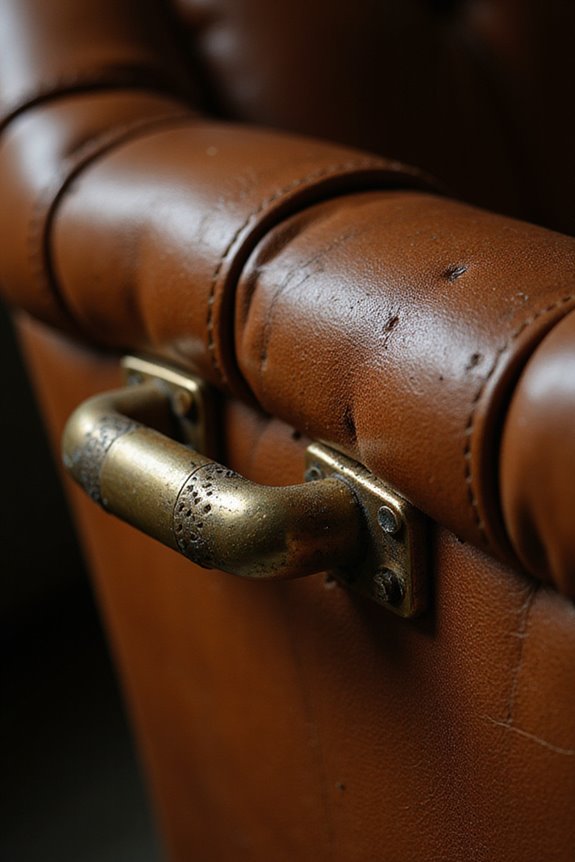
Maintaining the hardware and mechanical parts of your leather recliners is essential for ensuring they function smoothly and last for years to come. Here’s how we can keep everything in check:
- Hardware Inspection: Regularly inspect all screws, bolts, and nuts, especially on armrests and reclining mechanisms. Tighten any loose parts with the right tools, ensuring not to strip threads.
- Mechanical Lubrication: Apply silicone-based lubricants to springs, hinges, and other moving parts. Remember, a little goes a long way—too much can attract dust and cause issues.
- Spring and Joint Checks: Keep an eye on springs for stretching and inspect joints for wear. Replace any damaged components promptly. Additionally, ensure the materials used in your recliner are durable and easy to maintain, as this can influence how often you need to perform these checks.
If you’re ever in doubt, consulting with a professional can help keep your recliner in pristine condition.
Preventive Care and Daily Handling
While daily handling may seem straightforward, taking a few proactive steps can greatly enhance the lifespan and appearance of your leather recliners. Implementing preventive measures during daily usage is essential for preserving their quality.
- Routine Dusting and Wiping: Dust weekly with a soft, dry cloth and clean creases regularly. A damp cloth occasionally helps remove light debris without soaking the leather.
- Leather Conditioning: Use a quality leather conditioner every 6 to 12 months to maintain suppleness. Focus on high-contact areas like armrests.
- Protect from Sunlight and Heat: Keep recliners away from direct sunlight and heat sources to prevent drying and fading.
- Careful Usage: Avoid letting pets on the recliner, promptly remove debris, and handle mechanisms gently to minimize wear.
Tips for Blotting Spills
Spills can happen in an instant, but acting quickly can make a significant difference in preserving your leather recliners. Here are effective blotting techniques to employ:
- Immediate Blotting: Use a clean, dry microfiber cloth to gently blot, not rub, the spill. This helps prevent the liquid from soaking deeper.
- Dampen for Residue: After initial blotting, use a slightly dampened cloth with distilled water to remove any residue. Remember to dry the area promptly with a clean cloth to avoid water marks.
- Oil-Based Spills: For oils, blot excess quickly. Apply absorbent powder like cornstarch to draw out lingering oil, allowing it to sit for up to 24 hours.
Choosing the Right Leather Conditioner
How do we choose the right leather conditioner for our recliners? First, consider the conditioner formulation. Water-based conditioners are gentle and non-toxic, while oil and wax-based ones provide deep nourishment. We should also look for natural blends that enhance both longevity and beauty.
Next, application techniques play a significant role. Using a microfiber cloth or applicator guarantees even coverage. It’s important to let the conditioner soak in for several hours or overnight, avoiding excess to prevent stickiness.
Lastly, we should avoid any product containing harsh solvents, as these can damage the leather. By choosing a pH-balanced conditioner with minimal residue, we protect our recliners from drying and cracking while keeping them looking great.
Proper Vacuuming Techniques
Maintaining the cleanliness of your leather recliner is essential for its durability and appearance. We recommend vacuuming it approximately once a month to reduce dirt and debris. If you have pets or children, you might want to vacuum more frequently to manage hair and crumbs effectively.
When vacuuming, use a small handheld vacuum or one with a soft brush upholstery attachment. Avoid stiff bristles that could scratch the leather.
Here are some proper techniques to follow:
- Gently vacuum broad surfaces first.
- Focus on seams and crevices where dirt accumulates.
- Remove cushions to vacuum underneath them.
- Use slow, controlled movements to avoid damage.
The Importance of Professional Cleaning
While regular vacuuming is essential for everyday maintenance, professional cleaning brings additional benefits that are hard to achieve through DIY methods. Here’s why we should consider it:
- Specialized Products: Professionals use tailored cleaners that won’t damage the leather.
- Deep Cleaning: They remove trapped soil and oils, ensuring a thorough clean beyond surface dirt.
- Conditioning: Applying conditioners replenishes oils, enhancing leather longevity, and preventing cracks.
- Advanced Techniques: Professionals utilize specialized extraction methods that leave no residue, avoiding sticky surfaces.
- Inspection and Grooming: Each cleaning involves pre-inspection and proper treatment of cushions and seams, extending the life of your recliner.
Investing in professional cleaning enhances the appearance and durability of leather furniture, ensuring it stays beautiful for years.
Frequently Asked Questions
Can I Use Baby Wipes to Clean My Leather Recliner?
No, we shouldn’t use baby wipes on our leather recliner. Their effectiveness is misleading; instead, let’s explore leather cleaning alternatives like specialized cleaners that preserve our recliner’s beauty and extend its lifespan.
How Do I Remove Pet Hair From Leather Recliners?
To remove pet hair from leather recliners, we can use lint rollers, rubber gloves, or vacuum cleaners with soft attachments. These effective cleaning tools help us keep our space tidy and comfortable for everyone.
Is It Safe to Use Soap and Water on Leather?
Yes, it’s safe to use soap and water on leather if done gently. For leather care, we might also explore soap alternatives, keeping in mind to avoid harsh chemicals that could harm our beloved furniture.
What Should I Do if My Leather Recliner Gets a Scratch?
If our leather recliner gets a scratch, we should first clean the area, then try some scratch repair with natural oils or a leather filler. Let’s also practice preventive measures to keep our recliner looking great!
Can Leather Recliners Be Repaired if Damaged?
Absolutely, leather recliners can be repaired! Together, we can focus on leather repair techniques to restore any damage, ensuring we also emphasize damage prevention so our beloved chairs remain beautiful for years to come.