As an Amazon Associate, we earn from qualifying purchases. Some links on this site are affiliate links at no extra cost to you. Our recommendations are based on thorough research and editorial judgment.


What Is Optical Audio Cable?

An optical audio cable is a type of digital connection that uses light signals to transmit high-quality audio. These cables, often called TOSLINK, carry sound from devices like TVs and soundbars, ensuring excellent fidelity and minimal interference. They feature a core made of glass or plastic, with protective layers for durability. While they’re affordable and flexible, they can’t support high-resolution audio and have a maximum effective distance of around 30 meters. Explore more insights about their uses and advantages.
Key Takeaways
- Optical audio cables, also known as TOSLINK cables, transmit digital audio signals using light pulses for high-quality sound transmission.
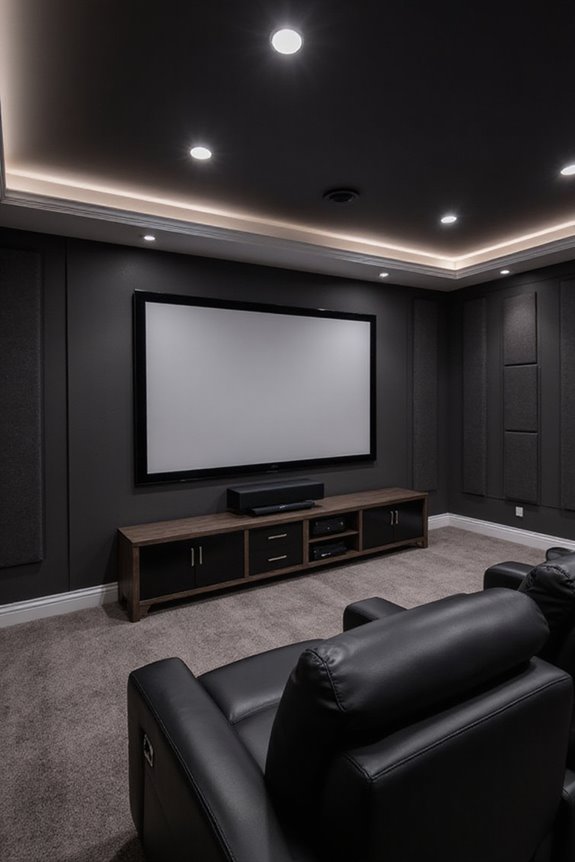
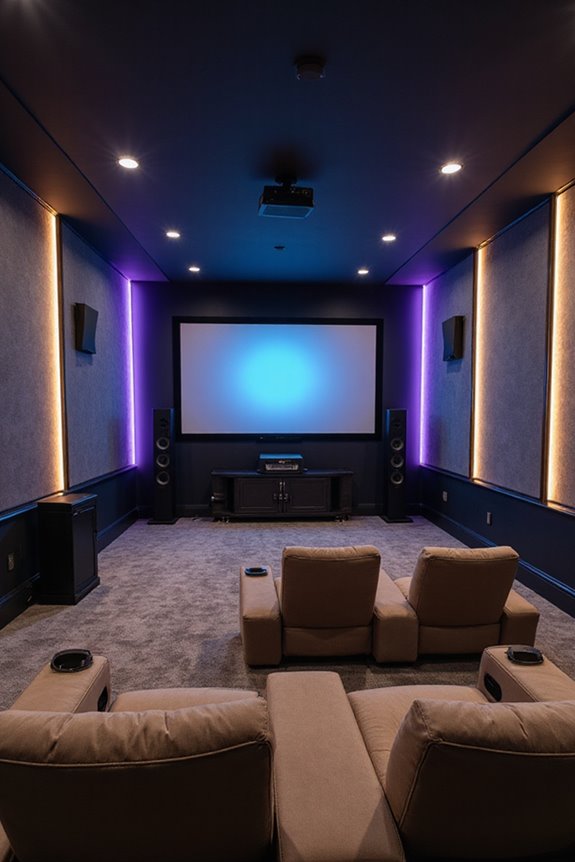
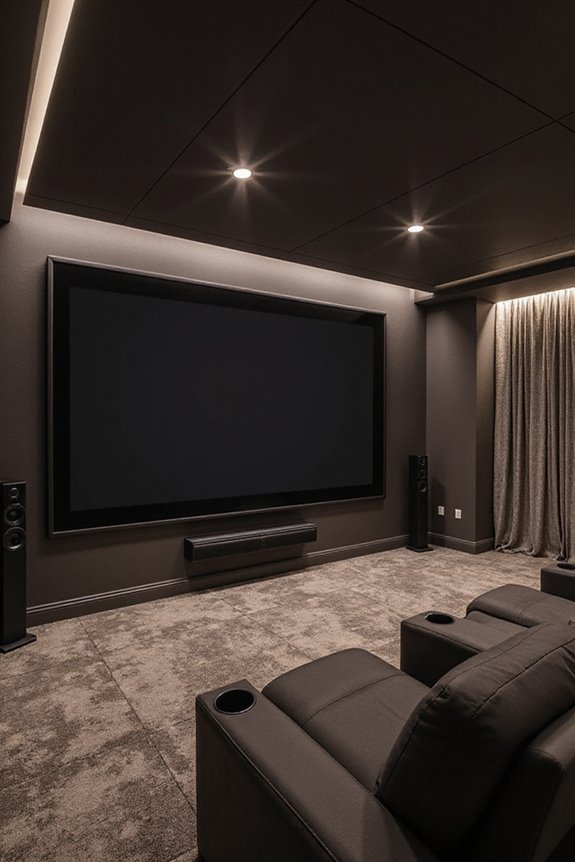
- They are commonly used to connect audio devices, like TVs and soundbars, to enhance home theater experiences.
- Constructed from high-purity glass or flexible plastic, these cables ensure effective light transport and minimal signal degradation.
- Advantages include immunity to electromagnetic interference and ease of installation, while limitations include fragility and compatibility issues with modern devices.
- Installation requires careful handling to avoid damage, maintaining proper alignment of connectors for optimal audio performance.
Definition and Purpose of Optical Audio Cables
Optical audio cables serve a specific purpose in our audio-visual setups. These cables transmit digital audio signals using pulses of light, ensuring high-quality audio fidelity with minimal interference. Known as TOSLINK, they connect devices like DVD players, soundbars, and AV receivers in home theaters.
Key features include:
- Digital Transmission: Converts electronic signals to light pulses, enhancing sound quality.
- Clear Audio: Immune to electrical interference, they deliver sharp audio clarity.
- Legacy Connections: Perfect for older audio equipment lacking modern interfaces.
Optical cables carry only audio signals, so remember you’ll need separate wiring for video. Choosing optical audio cables means investing in reliability and sound quality, pulling all your devices into a better listening experience. Additionally, similar to portable projectors, high-quality audio can greatly enhance your overall viewing experience when integrated with advanced video systems.
Recommended Products

Solid 10% Silver Conductors: Solid conductors help eliminate strand-interaction distortion and reduce jitter.

Solid .5% Silver Conductors: Solid conductors help eliminate strand-interaction distortion and reduce jitter.

Design: 338 Strands
Construction and Materials of Optical Cables
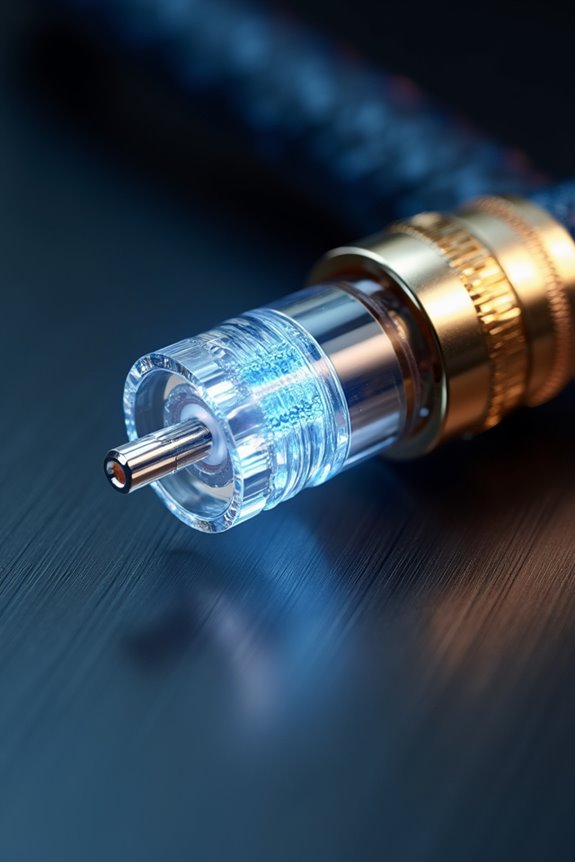
When setting up an audio system, understanding the construction and materials of optical cables helps us appreciate their performance.
Optical cables primarily consist of a core, cladding materials, and protective layers. The core, made of high-purity glass or flexible plastic, transports light signals. Glass cores excel in long-distance transmission due to their low refractive index, while plastic cores offer easier handling.
Cladding surrounds the core, reflecting light internally with a lower refractive index. Typically composed of fluoride-doped silica glass, it helps maintain signal integrity.
Lastly, protective coatings made of durable plastics shield the cable from physical damage. With these elements combined, we can experience the reliable performance that optical audio cables provide in our audio systems. Additionally, understanding the importance of high purity materials ensures optimal signal transmission and sound quality.
Operating Principle of Optical Audio Transmission
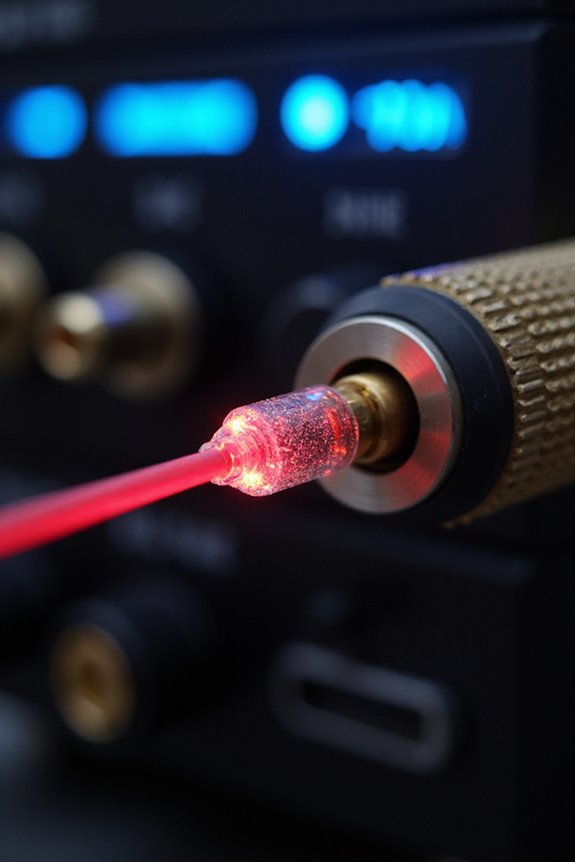
Understanding the operating principle of audio transmission helps us appreciate the efficiency and clarity of sound that optical cables deliver. These cables utilize light pulses to encode audio signals, transforming digital data into binary states. Here’s how it works:
- Signal Encoding: At the transmitting end, LEDs or laser diodes convert electrical audio signals into fluctuating light pulses. Each pulse represents a digital bit, creating a stream of audio data.
- Light Propagation: Light travels through the fiber core by total internal reflection, ensuring minimal signal loss and maintaining clarity over long distances.
- Reception: Photodetectors at the receiving end interpret these light pulses, converting them back into electrical signals for playback.
This process minimizes electromagnetic interference, providing clearer audio, making it ideal for a wide range of environments. Additionally, optical audio cables can support advanced resolutions like 4K and 8K, enhancing the overall multimedia experience.
Formats and Standards for Optical Audio
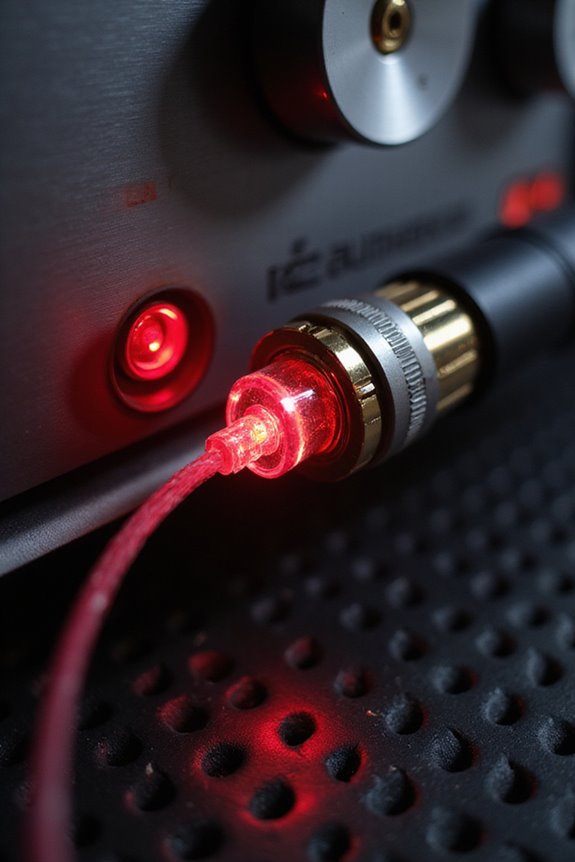
As we explore the formats and standards for optical audio, it’s important to recognize how these cables interact with various audio signals. Optical audio cables primarily support audio signal types like PCM 2.0, compressed surround sound formats such as Dolby Digital, and DTS Digital Surround.
However, they do have limitations. For instance:
- They can’t transmit higher bandwidth formats like Dolby Atmos or DTS:X.
- Multi-channel PCM beyond 2.0 isn’t supported.
TOSLINK is the most recognized connector, utilizing a 1.0 mm plastic optical fiber. This simple interface connects devices found in everyday electronics, from CD players to gaming consoles. Additionally, while optical audio has constraints, it effectively transmits basic digital audio without interference, making it reliable for everyday use.
Advantages of Using Optical Audio Cables
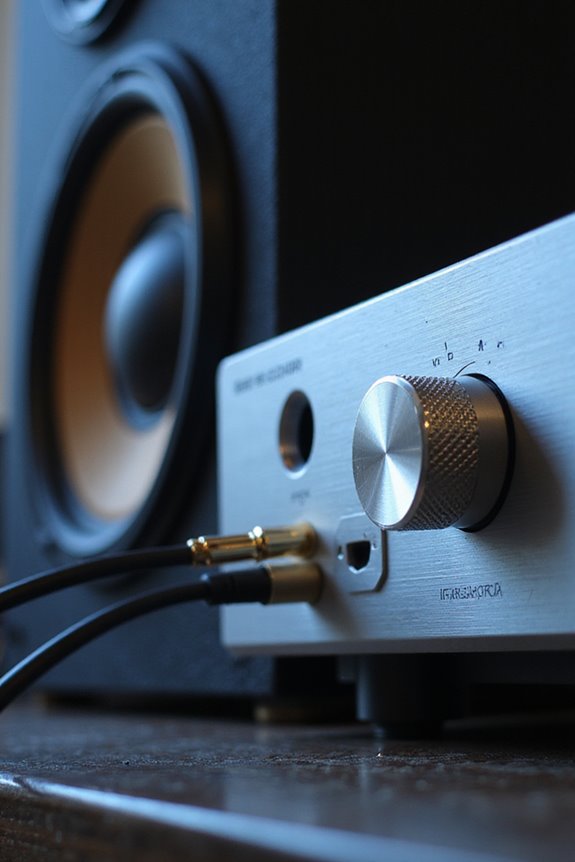
Optical audio cables offer several advantages that enhance your audio experience. First, they deliver high-fidelity sound quality by transmitting digital audio using light signals, which minimizes distortion and guarantees clarity. Here are some key benefits:
- Immunity to interference: Optical cables are not affected by electromagnetic or radio frequency interference, providing a cleaner audio experience in noisy environments.
- Versatility: They support multiple digital audio formats and are backward compatible with older devices.
- Installation tips: Their lightweight and flexible design allows for easy installation and management in any setup. Additionally, they are commonly used in modern surround sound configurations to connect various audio components seamlessly.
Recommended Products

Features TFS DuraTAC Stainless Steel armored cable with machine polished connectors and dust caps

Features TFS DuraTAC Stainless Steel armored cable with machine polished connectors and dust caps
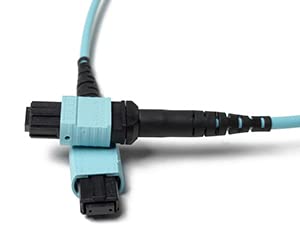
Fiber Cable Description: OM4 MTP/MTP 12 Strand Multi-Fiber Patch Cable - 150 Meter | 100G OFNP Laser Optimized Multimode Fiber (LOMMF), Jumper Cord. Twelve (12) Corning 50/125 optical fiber cores, B type polarity. High bandwidth fiber for high speed, low loss, data transmission. | B Type Polarity.
Limitations and Considerations of Optical Cables
When you’re considering optical audio cables, it’s vital to recognize their limitations and the considerations that come with using them. While these cables can provide a decent audio experience, they do have performance issues. They only support up to two channels of uncompressed PCM audio, which limits surround sound capabilities.
Additionally, we face installation challenges; fiber optic cables are fragile and can be easily damaged if bent too sharply. They also struggle in longer runs, with a practical limit of 5–10 meters. Compatibility is another concern, as many modern devices are moving towards HDMI, leaving optical cables behind. As a result, understanding these factors guarantees you make an informed choice for your audio needs.
Comparison With Other Audio Connection Types
Despite their advantages, optical audio cables aren’t the only option available for connecting audio devices. While these cables offer impressive optical benefits, like immunity to electromagnetic interference for clear audio clarity, other options exist.
- HDMI Cables: These are preferred for high-definition audio and video. They support uncompressed multi-channel audio like Dolby Atmos and DTS:X, which optical cables can’t handle.
- Analog Connections: RCA and 3.5mm jacks only carry stereo audio and lack surround sound capabilities.
- Coaxial Cables: Comparable to optical, coaxial utilizes electrical signals and may be chosen for specific setups.
Each method has its strengths and weaknesses, so you’ll want to take into account your system’s needs and compatibility when making your choice.
Recommended Products

Bundle Includes: Yamaha AVENTAGE RX-A8A 11.2-Channel MusicCast AV Receiver + HDMI Cable + Dual RCA Cable + Toslink Optical Cable + 6-Outlet 2 USB Surge Protector + Reusable Cable Ties + Cleaning Kit + Cat5e Ethernet Patch Cable
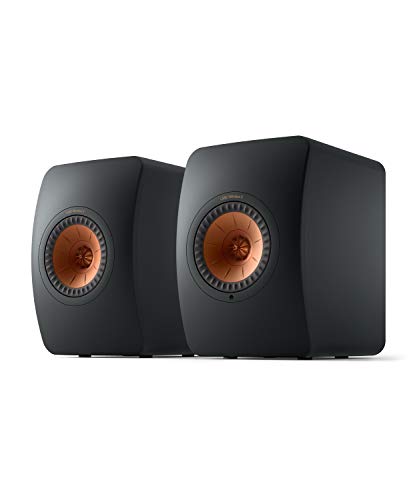
Available streaming services include: Spotify Connect, Tidal, Amazon Music, Qobuz, Deezer, QQ Music, Internet Radio, and Podcasts.
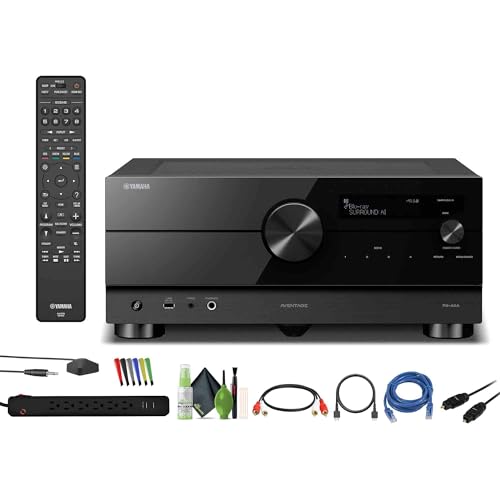
Bundle Includes: Yamaha AVENTAGE RX-A6A 9.2-Channel MusicCast AV Receiver + HDMI Cable + Dual RCA Cable + Toslink Optical Cable + 6-Outlet 2 USB Surge Protector + Reusable Cable Ties + Cleaning Kit + Cat5e Ethernet Patch Cable
Common Applications of Optical Audio Cables
If you’re exploring ways to enhance your audio experience, you’ll find that optical audio cables serve multiple applications across different setups. These cables not only connect your vintage equipment, like legacy receivers, but also maintain sound quality by transmitting digital signals without interference.
Here are some common applications:
- Home Theater Systems: Connect soundbars and AV receivers to your TV, supporting multi-channel audio formats like Dolby Digital.
- Long-Distance Transmission: Ideal for larger spaces, optical cables can run longer distances while preserving audio integrity.
- Audio Isolation: They reduce noise and distortions, making them perfect for electrically noisy environments.
Using optical audio cables allows you to upgrade older systems, ensuring you enjoy high-quality sound without needing a complete overhaul of your setup.
Frequently Asked Questions
Can Optical Audio Cables Be Used Outdoors?
We can’t recommend using standard optical audio cables outdoors due to limited durability and weather resistance. For outdoor setups, we should choose cables specifically designed for harsh conditions to guarantee reliable audio performance.
How Do I Identify a Damaged Optical Cable?
To identify a damaged optical cable, we should conduct a visual inspection. Look for cracks or discoloration. If we experience signal interruptions, it could signal the need for a cable replacement to restore our audio experience.
Are There Different Lengths Available for Optical Audio Cables?
Yes, we can find various optical audio lengths, offering flexibility for our setups. Whether we choose shorter options for compact spaces or longer ones for distance, these cables adapt beautifully to our audio needs.
Can Optical Audio Cables Transmit Audio Over Long Distances?
Yes, optical audio cables can transmit audio over long distances while maintaining excellent audio quality. Their durability guarantees reliable performance, making them perfect for our setups where distance matters. Let’s enjoy clear sound together, even far apart!
What Devices Typically Include Optical Audio Output Ports?
We’ve all felt the frustration of poor sound quality. Devices like Blu-ray players, soundbars, gaming consoles, high-end TVs, and audio receivers bring us together, elevating our home theaters to create unforgettable shared experiences.