As an Amazon Associate, we earn from qualifying purchases. Some links on this site are affiliate links at no extra cost to you. Our recommendations are based on thorough research and editorial judgment.


How To Use Isolation Pads?

To use isolation pads effectively, start by cleaning the area where they’ll be installed. Guarantee the surface is level, then position the pads according to design specs. Use construction adhesive on smooth surfaces for a secure fit. Regularly inspect the pads for signs of wear, cracks, or damage. Monitor equipment for excessive vibrations or noise. Choosing the right pad type is essential for peak performance. If you want to learn more about their benefits and applications, continue exploring the details.
Key Takeaways
- Clean and prepare the installation area to ensure strong adhesion and a stable foundation for the isolation pads.
- Position the pads according to design specifications, ensuring proper spacing and alignment for optimal vibration absorption.
- Use construction adhesive on smooth surfaces to enhance the attachment of isolation pads and prevent shifting.
- Regularly inspect pads for wear, damage, or loss of elasticity and replace them according to the manufacturer’s guidelines.
- Monitor equipment for unusual vibrations or noises, indicating the need for further adjustments or replacements to maintain effectiveness.
Understanding the Purpose of Isolation Pads
Isolation pads play an essential role in protecting equipment and structures from vibration-related issues. We all know that vibrations from machinery can cause significant damage over time. That’s where vibration control comes in, as these pads help mitigate harmful vibrations that can lead to misalignment and premature wear.
Here’s why isolation pads are vital for equipment longevity:
- Reduce transmission: They limit harmful vibrations passed to surrounding environments.
- Prevent structural damage: Continuous vibrations can impact buildings, but pads help shield them.
- Minimize costly downtime: Less wear means fewer repairs and maintenance, keeping operations smooth.
- Stability: They provide long-lasting support for machines under demanding conditions.
- Sound absorption: Properly designed isolation pads can also enhance sound isolation panels, improving overall acoustic quality in the environment.
Materials Used in Isolation Pads
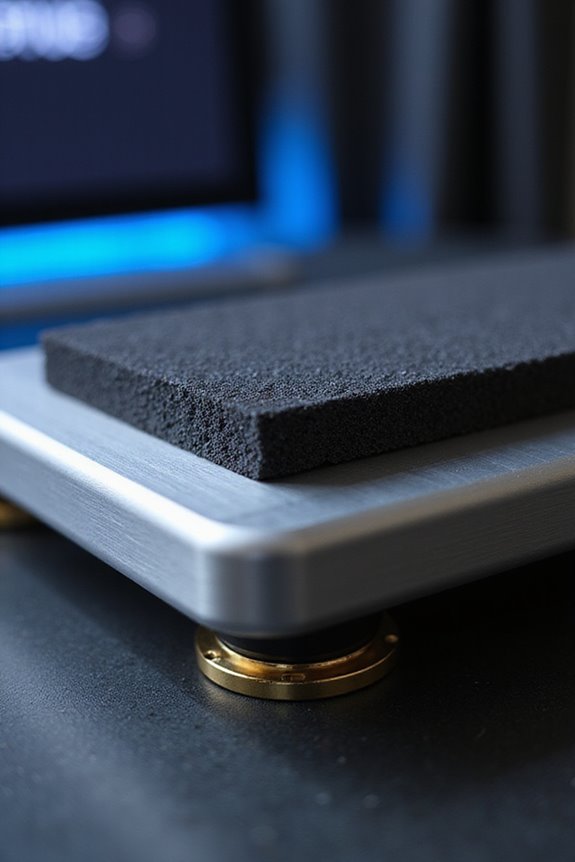
When selecting materials for isolation pads, you’ll find a variety of options tailored for specific applications. Common choices include:
- Rubber and Neoprene: Both exhibit excellent vibration damping. Neoprene offers moderate oil resistance and durability, suitable for various conditions.
- Laminated Composite Pads: These pads combine neoprene and fabric, designed for high load capacity with excellent shock absorption.
- Cork/Rubber Composites: Superb damping properties guarantee stability under dynamic loads while resisting chemicals.
- Advanced Fibrous Materials: Developed for aerospace, these offer low-density options that reduce stress transmission.
- Viscoelastic Polyurethane Pads: These unique materials provide superior vibration damping, returning to shape after load, enhancing performance.
Choosing the right material properties helps optimize isolation and improves system resilience. Additionally, selecting materials with high NRC ratings can further enhance the effectiveness of sound absorption in various environments.
Different Types of Isolation Pads

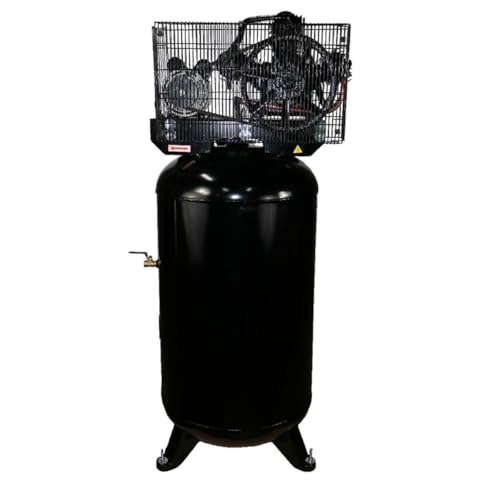
In the domain of vibration control, you’ll find several types of isolation pads designed for specific applications. We’ve got industrial pads tailored for equipment like compressors and motors—usually made from polyurethane or PVC, providing durability and vibration dampening.
For marine usage, isolation pads are crafted to absorb vibrations from propulsion engines and chillers, effectively reducing the noise on board ships. These pads resist moisture and corrosion, making them suitable for harsh marine environments.
Additionally, elastomeric mounts, neoprene pads, and specialized types like wire rope isolators cater to varied needs across industries. With options tailored for seismic applications and compliance with regulations, there’s an isolation pad designed for almost every scenario, optimizing both performance and safety. Furthermore, incorporating Dolby Atmos technology into audio systems can enhance the overall experience of media consumption, providing an additional layer of immersion.
Recommended Products

100 pack of Anti Vibration pads All Rubber Super Duty 4" x 4" x 3/8" 60 PSI max load
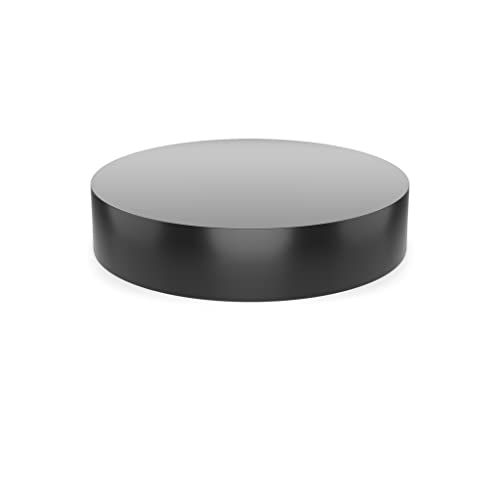
HARDNESS: These are available in 30, 50, and 70 durometers. The softer durometers have lower weight load ratings.

This anti-vibration mat, made from soft, granular rubber is compressed for maximum sound dampening and is easy to install.
Benefits of Using Isolation Pads

Using isolation pads can greatly enhance the performance and longevity of your equipment. These pads provide several benefits that cater to both industrial and residential settings.
- Equipment Protection: They absorb vibrations, reducing wear and preventing misalignment. This extends the life of your machinery and minimizes maintenance costs.
- Noise Reduction: Isolation pads considerably dampen noise, contributing to a quieter workplace and compliance with noise regulations.
- Application Versatility: They’re suitable for various equipment, including HVAC systems and industrial machinery, making them highly flexible.
- Cost Efficiency: By preventing costly repairs and downtime, they prove to be a wise investment. Additionally, using isolation pads can improve audio quality considerations by ensuring that sound systems perform at their best without interference from vibrations.
Incorporating isolation pads into your setup not only protects your assets but also enhances safety and improves working conditions for everyone involved.
Identifying the Right Pad for Your Equipment

Identifying the right isolation pad for your equipment is essential for enhancing performance and longevity. When it comes to pad selection, there are key factors to evaluate, such as weight and application.
- Weight Range: Choose pads that suit the load capacity of your equipment, ensuring ideal isolation occurs at 80-90% of the pad’s maximum load.
- Types of Equipment: Depending on your machinery, specialized pads, like fiberglass or nitrile rubber, may be required for robust vibration dampening.
- Environmental Resistance: Select pads that can withstand grease, oil, and temperature variations.
For instance, lighter devices like fans may need pads with a capacity of 40-900 lbs, while heavy machinery might require sturdier options. Always prioritize pad characteristics that cater to your specific needs. Additionally, considering advanced audio technologies can improve the overall performance of your audio equipment and its isolation setup.
Recommended Products

Advanced Aerodynamics and Noise Reduction: The SHOEI GT-Air II is designed with an aerodynamic shell and cutting-edge noise reduction technology, providing a smooth and quiet ride for the ultimate riding experience

12-Month Trial RV Mattress: Each INEHM Mattress includes a 1-year trial and a 10-year service. The 72×75" mattress in a box allows simple delivery and setup. Test its comfort during actual RV trips hassle-free. Our team offers weekday 24hr professional support for any product issues

5-inch fiberglass woofers deliver tight, impactful bass and clear highs
Installation Guidelines for Isolation Pads
When it comes to installing isolation pads, proper preparation is vital for guaranteeing ideal performance. We should start by thoroughly cleaning the installation area, removing dust and debris to guarantee strong adhesion. It’s also critical to verify the base is level and stable.
For effective pad placement, we recommend these installation techniques:
- Position pads according to design drawings, keeping a maximum spacing of 16 inches.
- Install extra rows near walls as needed to avoid unsupported spans.
- Confirm that the manufacturer’s “Top” side is facing up during placement.
Optionally, applying a small dab of construction adhesive can enhance adhesion on smooth surfaces. Finally, be careful not to compress perimeter isolation boards with sheathing. Following these guidelines will lead to maximum performance.
Recommended Products

7 Complete Training Stations: Replace multiple machines with one commercial-grade strength system featuring a power rack, functional trainer, dip station, pull-up station, low row, core trainer and integrated barbell training.

Cable compatibility: Engineered for seamless integration with nVent Nuheat electric floor heating cables as part of the Chemelex Heating System, suitable for residential and commercial projects.
Ensuring Proper Leveling and Alignment
After ensuring proper installation of isolation pads, the next step involves verifying that the machine is level and aligned correctly. Achieving pad stability is vital for ideal weight distribution, which prevents unnecessary wear.
Start by cleaning the mounting surface to avoid debris interference. It’s essential that the floor can support the machine without flexing.
Once positioned, we lift each machine corner to adjust our leveling feet. Utilize a spirit level or laser level for precise adjustments.
Check alignment across multiple axes and make sure that no corners rock after tightening. After adjustments, confirm that the pads maintain their anti-slip features. Regular checks will help us catch any shifts in weight distribution or alignment, ensuring our equipment operates efficiently.
The Importance of Regular Inspection
Regular inspection of isolation pads is essential for maintaining ideal machinery performance and safety. By establishing consistent inspection frequency, we can identify pad deterioration before it escalates into serious issues.
Key aspects to check during inspections include:
- Monitoring vibration amplitudes and phase relationships to foresee degradation.
- Looking for physical damage, chemical swelling, or contamination that could impact performance.
- Ensuring material integrity aligns with original specifications for long-term reliability.
These inspections not only avoid equipment downtime and costly repairs but also promote safety by preventing unexpected vibrations and machine instability. Regularly evaluating the condition of isolation pads equips you with the knowledge to support equipment longevity, ensuring a well-functioning workspace for all of us.
Maintenance and Replacement of Isolation Pads
Ensuring the reliability and performance of isolation pads goes beyond regular inspections; it also involves attentive maintenance and timely replacements. For effective pad maintenance, we should clean the mounting surface thoroughly, eliminating dust, oil, and debris. Regularly inspect for signs of wear, including cracks, deformation, or loss of elasticity—these are essential replacement indicators.
Consider replacement timelines based on the manufacturer’s recommendations or operating conditions, even if no visible damage exists. Keep an eye on excessive vibration or unusual noise, as these can signal that it’s time to replace your pads. By incorporating these best practices into your routine, we’ll enhance the longevity and effectiveness of our isolation pads, ensuring they’re always ready to perform their best.
Performance Metrics of Isolation Pads
When it comes to using isolation pads, understanding their performance metrics is crucial for getting the most out of your investment. Key metrics include:
- Resonant Frequency Analysis: The natural frequency should ideally be below the disturbing frequency, typically around 5.5 Hz for rubber pads. This guarantees effective vibration reduction.
- Isolation Efficiency Metrics: Calculated as 100% minus transmissibility, efficiency increases when the ratio of disturbing frequency (fd) to natural frequency (fn) exceeds √2. Well-designed pads can achieve up to 95% vibration reduction.
- Material Properties: Common materials like neoprene and Sorbothane provide different damping characteristics, influencing performance.
Common Applications of Isolation Pads
Isolation pads are versatile components employed in various applications to reduce vibration and noise, enhancing both performance and longevity of equipment. In industrial settings, we use them under compressors and pumps to minimize shock absorption and extend equipment life.
In marine applications, these pads isolate vibrations from propulsion engines and cooling machinery, ensuring structural stability and preventing damage.
In the automotive and railway industry, they improve ride comfort and acoustic performance, making journeys more enjoyable.
Residentially, they stabilize appliances like washers, diminishing noise and ensuring your home remains serene.
Recommended Products

5.5 HP Honda Engine model able to compact over 3,000 lbs. per square ft.

[Super High Quality Rubber] – Rubber Sheet Warehouse is a leading global distributor of rubber products with over 30 years of experience. Our rubber is manufactured right here in the USA and our quality is second-to-none. We fulfill orders for all shapes and quantities.

Multi-Functional Home Strength System: Engineered to support full-body conditioning through 12+ training modes including chest fly, lat pulldown, low row, leg developer, core engagement, and back extension. Supports diverse fitness objectives from strength development to metabolic conditioning.
Safety Considerations When Using Isolation Pads
Selecting the right isolation pads for your application involves not just understanding their common uses but also considering various safety elements. To guarantee effective operation, we must address potential installation risks and environmental hazards.
Material and Durability
- Choose oil-resistant, high-quality rubber pads for long-term durability.
- Avoid cork as it degrades quickly under stress.
Load and Strain Limits
- Follow standards like British BS 6177 to prevent overloading.
- Consider machine weight to maintain performance and safety.
Installation Safety Practices
- Use qualified personnel and essential safety gear.
- Stabilize equipment before installing pads.
Recommended Products

All Rubber Construction Ribbed Rubber Top And Bottom (1" thick) with 0.6" ID pre-drilled holes for ease of use.

Quantity and Size: you will receive 1 roll of 196 mil/ 5 mm thick auto sound mat, measuring approx. 20 x 984 inch/ 50 x 2500 cm, for a total stickable area of about 134 sq ft/ 12.5 sqm, with two muffler rollers of different sizes, sufficient quantity and suitable set matching to provide you with a convenient life
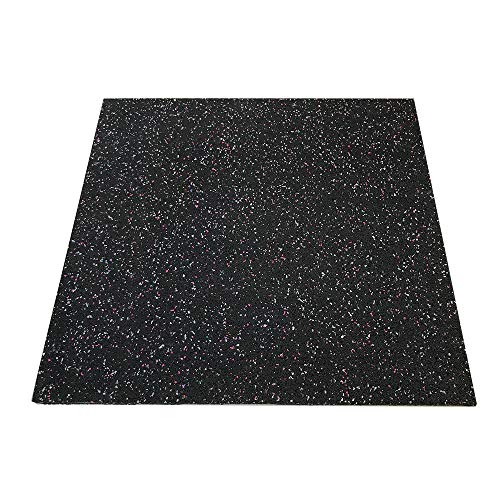
This anti-vibration mat, made from soft, granular rubber is compressed for maximum sound dampening and is easy to install.
Frequently Asked Questions
Can Isolation Pads Be Used Outdoors?
Absolutely, isolation pads can thrive outdoors! With their outdoor durability and weather resistance, we can confidently use them beneath equipment, ensuring effective vibration control while fostering a harmonious environment together. Let’s enhance our outdoor spaces!
How Long Do Isolation Pads Typically Last?
Isolation pads typically last anywhere from 1 to over 10 years, depending on material durability and lifespan factors like usage intensity and environmental conditions. Taking care of them together can help maximize their longevity.
Are Isolation Pads Reusable After Cleaning?
Absolutely, isolation pads can be reused after cleaning. With gentle cleaning methods and a watchful eye on reusability concerns, we’ll guarantee their longevity, keeping our spaces harmonious and undisturbed, like a well-tuned orchestra.
Do Isolation Pads Affect Machine Performance?
Yes, isolation pads considerably enhance machine performance. They help with vibration reduction and noise control, creating a more stable environment. By reducing wear and potential damage, we can guarantee our machinery operates smoothly and efficiently together.
Can Isolation Pads Be Customized for Specific Needs?
Absolutely, isolation pads can be customized to cater to our specific requirements. With numerous customization options available, we can tailor dimensions, materials, and features for our unique equipment, ensuring ideal performance and seamless integration in our settings.